- 3 Ten Acres Rd Laurel,MS 39443
- info@tomscommercialms.com
- (601) 498-8942
A cooler drifting several degrees can put valuable inventory at risk. Refrigeration repair services in Mississippi keep those temperatures where your records need them. Tom’s Commercial and Residential Refrigeration & Air repairs grocery cases, kitchen coolers, freezers, and home units. 62 years of refrigeration work stand behind that work.
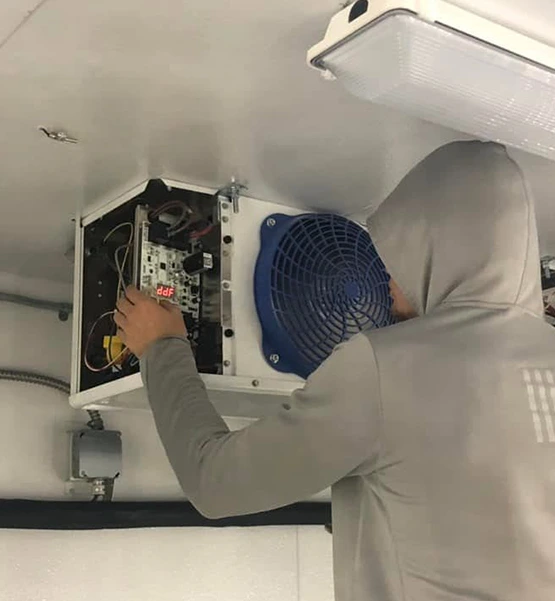

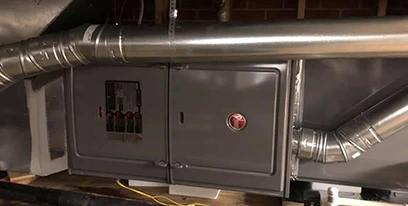
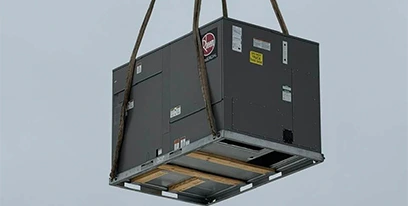
Diagnosis starts at the thermostat and works outward through controls, airflow, and the heat exchange side. HVAC repair on furnaces, heat pumps, and rooftop units means confirming the failure instead of assuming it. Static pressure and temperature rise readings frequently reveal a distribution problem that was being blamed.
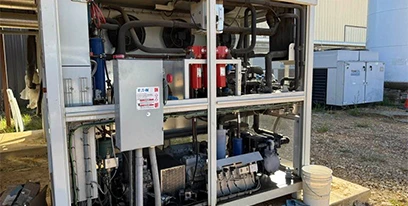
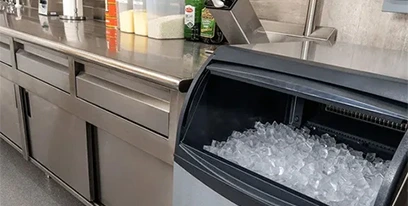
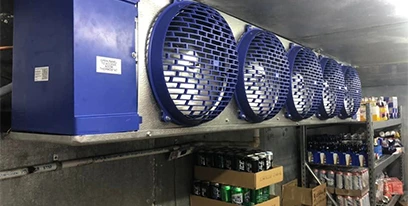
Recovery time after a busy period is more revealing than any single temperature reading. Refrigeration repair services use that pattern to direct leak tracing, defrost correction, and seal inspection across walk-ins, freezers, reach-ins, and cases. We ask for your logs on arrival because they shorten the diagnosis.
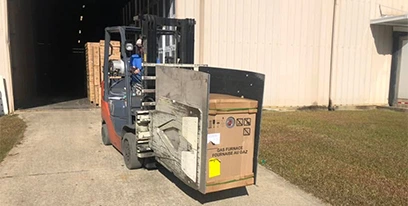
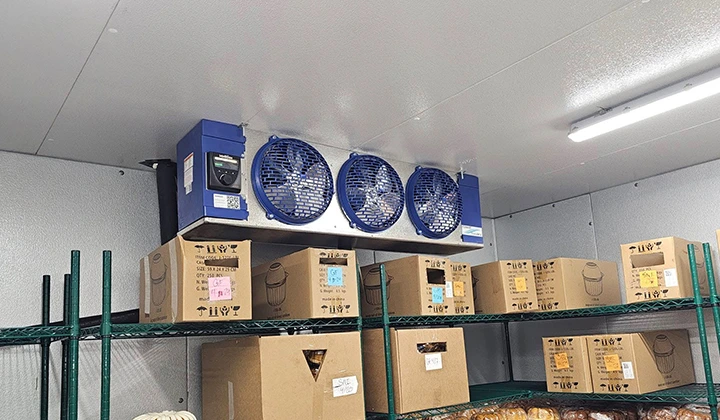
Readings from each visit go on file with the unit. That history shows whether a box is drifting slowly or failed suddenly.
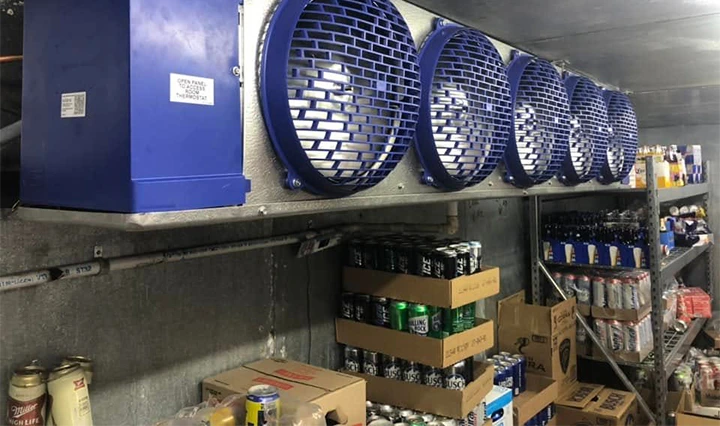
Tell us the current reading, the target, and how long the drift has run. Recent stock losses help too. Those numbers point toward the likely cause.
Pressures, superheat, defrost operation, and airflow get measured across the unit. The cause and the cost reach you before anything comes apart.
Approved work goes in, then the box gets watched through a full pull-down. Recovery time confirms the repair held under load.
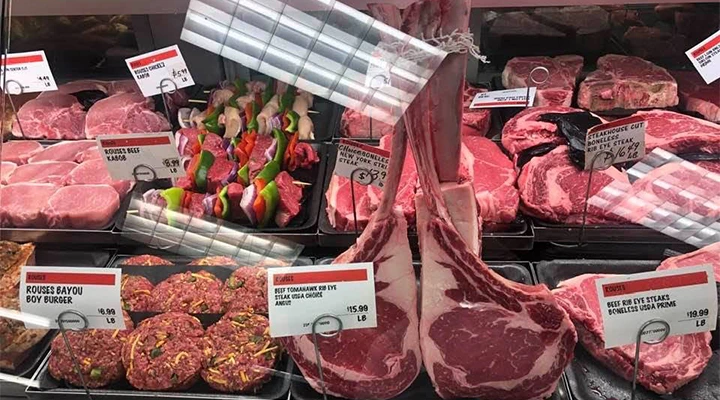
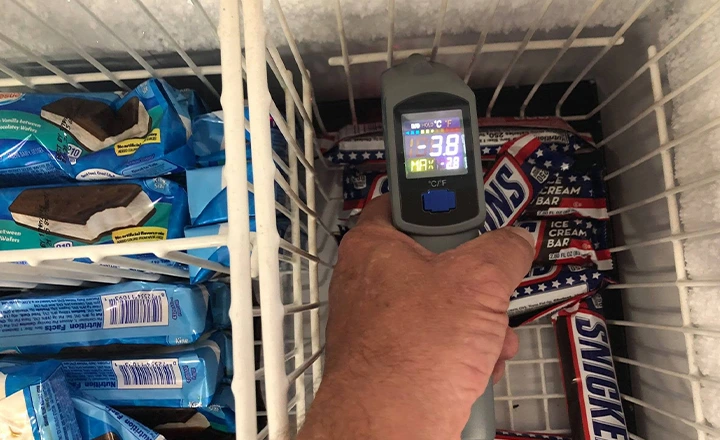
Cost tracks the part, the equipment, and how long the fault takes to isolate. A gasket, thermostat, or fan motor sits at the low end. A compressor, coil, or condensing unit lands considerably higher. Ask about the diagnostic charge when you call so the invoice holds no surprises.
A closed cooler can retain its temperature for some time, but the duration depends on the load and surrounding conditions. Keeping doors shut buys the most time. Dry ice or a rented unit protects stock during longer repairs. Log the temperature while you wait, since your records will need it.
Yes. Residential refrigeration services cover sealed system faults, defrost problems, fan and control failures, and door seals on standard and built-in units. Age and part availability decide whether a repair makes sense on older models. You hear that assessment before work begins.
Constant running with poor cooling usually means the unit cannot move heat out or air through. A blocked condenser, low refrigerant charge, or an iced evaporator each produce that pattern. A failed door seal creates the same effect by feeding warm air in. Testing separates them.
Age, refrigerant type, and repair history carry more weight than a single failure. Units on older refrigerants cost more to service each year as supply tightens. Repeated repairs on one component usually signal a deeper cause. Both figures get put in front of you rather than one recommendation.