- 3 Ten Acres Rd Laurel,MS 39443
- info@tomscommercialms.com
- (601) 498-8942
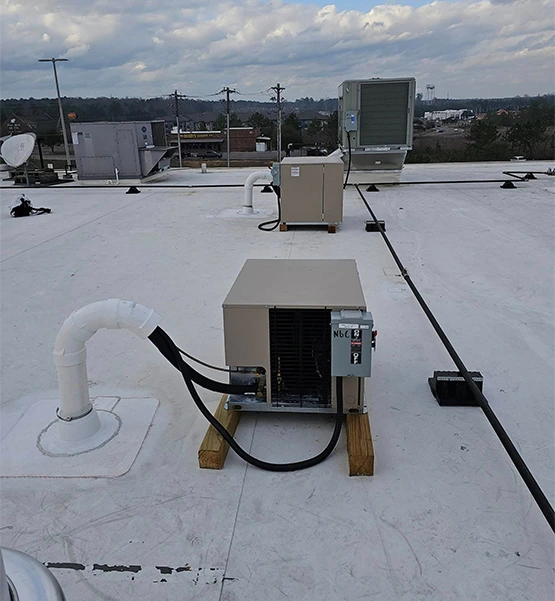
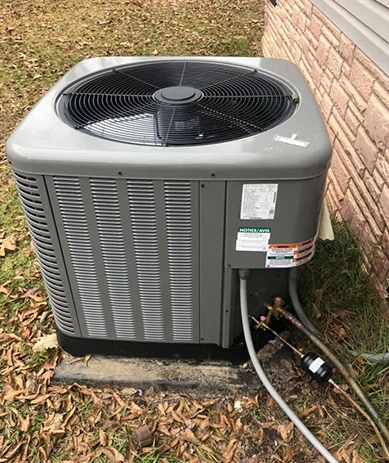
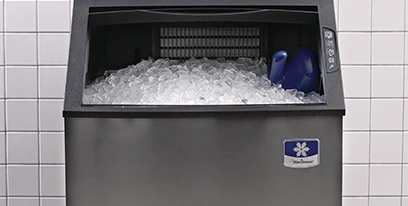
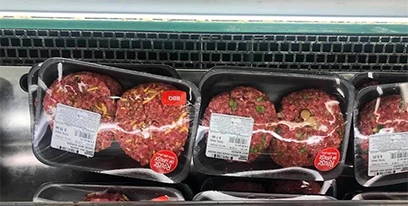
One failed walk-in overnight can erase a month of margin. Refrigeration repair services cover leak tracing, defrost correction, and compressor diagnostics across coolers, freezers, reach-ins, and display cases. We prioritize these calls because product is on a clock that doesn’t pause.
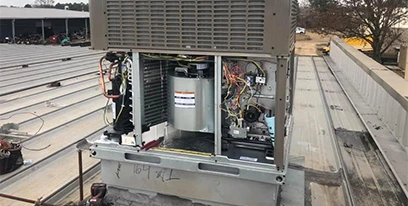
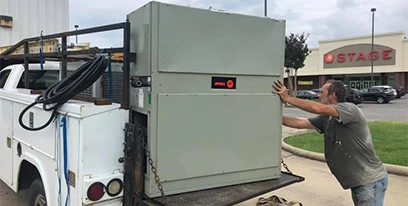
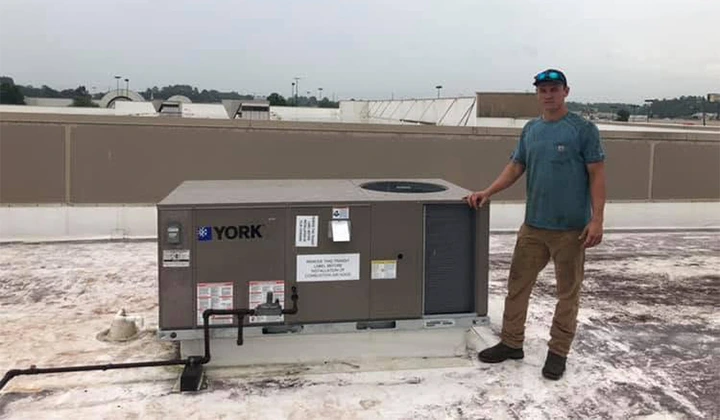
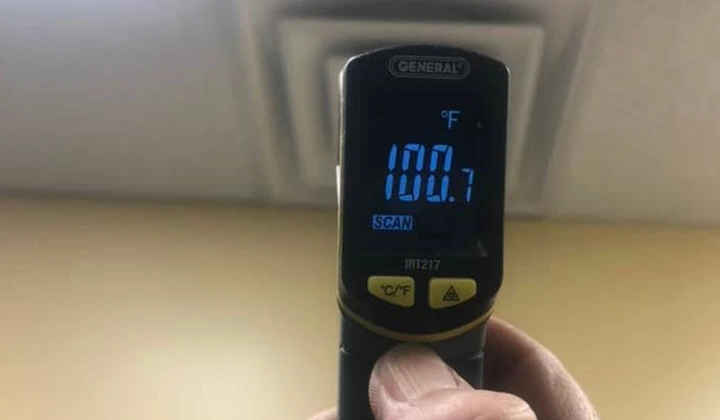
Call or send a request with the system make, the symptom, and the service address. We use those details to understand the likely problem before the visit and prepare for the type of work.
Our technician examines the system, tests the components connected to the complaint, and records the relevant readings. You receive the repair details and price before approved work.
Once you approve the work, we complete the repair and run the system afterward. Our technician checks its operation again to confirm that the original problem has been addressed.
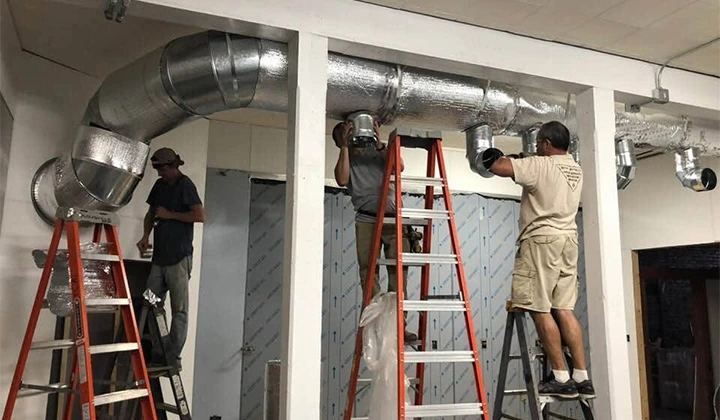
Cost depends on the failed component, system type, and time needed to locate the problem. A capacitor generally involves a much smaller repair than a compressor or heat exchanger. Our team can explain any diagnostic charge and the repair cost before approved work begins.
Ask how long the company has worked in the area, what types of systems its technicians regularly see, and whether you receive written findings. Our approach is to explain what testing shows rather than give you a repair figure without identifying the cause.
It can address some factors that affect indoor air quality. Our work may include checking filters, airflow, duct condition, and humidity-related concerns. More extensive indoor air quality improvements may involve upgraded filtration or ventilation work beyond a standard HVAC repair.
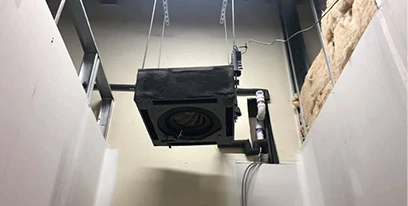
Longer run times, rising energy bills, weak airflow, unusual sounds, and rooms that never reach the set temperature can all signal a problem. Water around an indoor unit may indicate a drainage issue, while burning smells or unusual electrical odors deserve prompt attention.
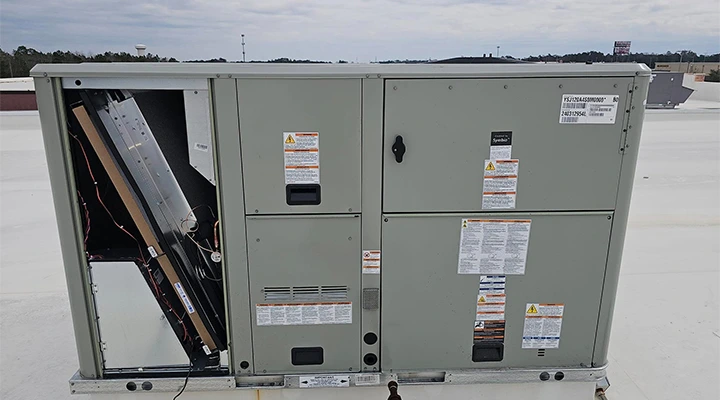
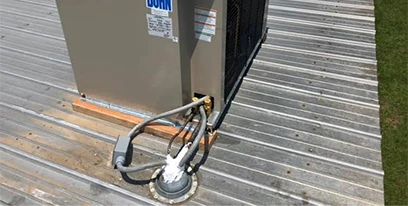
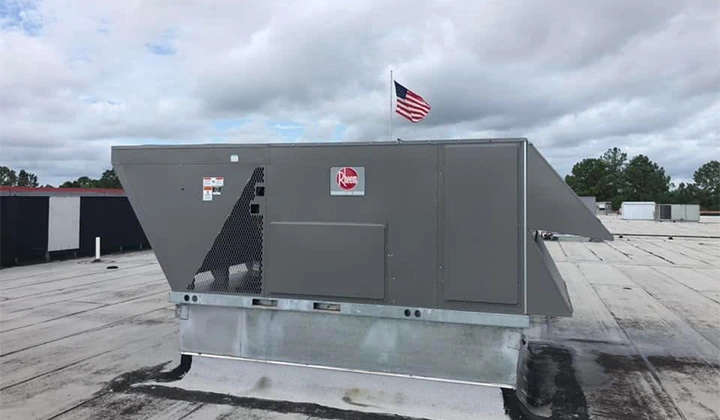
Yes. Our work includes homes as well as restaurants, clinics, shops, and other commercial buildings. A commercial visit may involve a rooftop HVAC unit, while another call could involve refrigeration or kitchen machinery.
Our team recommends following the manufacturer’s maintenance schedule and considering seasonal operating demands. Regular inspections give technicians a chance to identify worn components, restricted airflow, dirty coils, or other developing issues before they turn into a breakdown.