- 3 Ten Acres Rd Laurel,MS 39443
- info@tomscommercialms.com
- (601) 498-8942
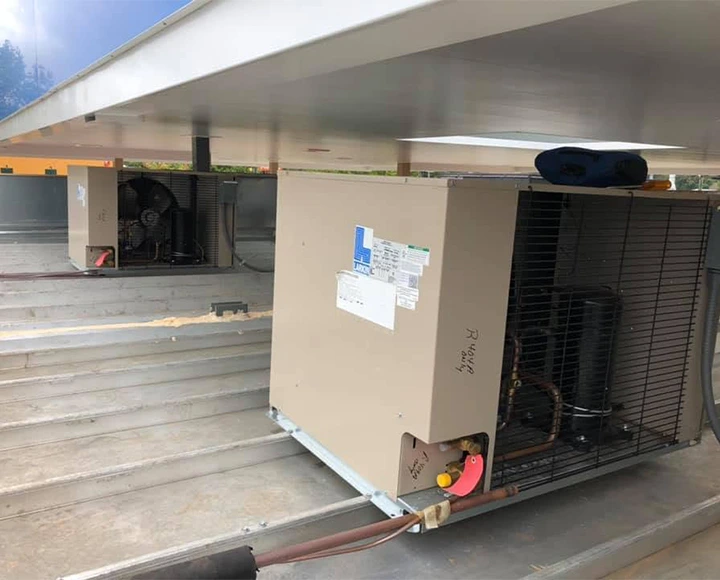
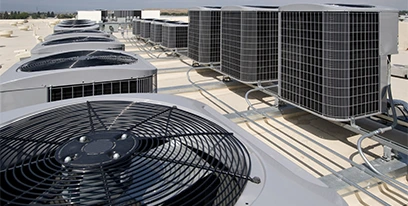
Landscaping is worth mentioning too. Condensers may sit behind fencing, brick screens, or planted beds to keep them out of sight. Neat from the street, but sometimes harder on airflow and tighter to work around. Our technicians account for that access and airflow when checking outdoor units.
Situations that bring us out here most:
Multi-unit familiarity
Two- and three-unit homes are routine for us, including the controls that tie them together.
Both sides covered
Your home and your business can sit with one contractor instead of two.
Careful in finished spaces
Attic and closet work happens without leaving a mess behind in the rooms below.
Direct explanations
You get the cause, the options, and the cost in plain language.
Commercial scheduling
Kitchen and retail visits are arranged around when you are open.
Long trade memory.
Six decades of hands-on work means unusual setups rarely stump our techs.
Humidity is the quieter problem. Central Mississippi air can stay damp for much of the year, and an oversized unit may cool a space quickly, shut off before removing enough moisture, and leave the room feeling cold but clammy. We consider sizing, runtime, airflow, and drainage when moisture complaints come with otherwise normal cooling.
Faults our techs see regularly in the area:

If nobody can say when filters were last changed, that is worth fixing permanently. A commercial HVAC maintenance contract covers scheduled visits, written records, and small problems caught while they are still small. One agreement can stretch across every system in the building.

| Comparison Factor | Both Units Replaced Together | One Now, One Later |
|---|---|---|
|
01
Upfront Cost
|
Single larger outlay | Spread across two years |
|
02
Comfort Balance
|
Both floors matched from day one | Older unit may still lag |
|
03
Attic Disruption
|
One round of work overhead | Two separate visits into the space |
|
04
Efficiency
|
Consistent rating across the house | Mixed, harder to predict savings |
|
05
Ductwork Fixes
|
Sensible time to correct sagging runs | Some corrections wait |
|
06
Second Breakdown
|
Risk cleared for both | Remaining unit can still fail |
Usually a mix of attic heat, duct loss, and a unit working against rising warm air. Sometimes it is a zone damper stuck shut rather than a cooling fault at all. Two-story homes here often have the upper floor fed from an attic air handler, and every foot of duct in that heat gives up cooling before it reaches a bedroom. Sagging flex runs and disconnected boots make it worse. Checking static pressure and airflow at the registers separates a duct problem from a failing unit, which changes the repair completely.
Shut the system off and call us. That stain almost always means the condensate drain has blocked and the secondary pan has overflowed rather than draining away. Left running, the leak keeps feeding the ceiling, and the damage spreads. Clearing the primary line, flushing the trap, and testing the float switch fixes the immediate cause. We also look at the pan for rust and the line for a poor slope, since a drain that has clogged once usually has a reason behind it.
It can be. Screens, fences, and planting beds look tidy but restrict the airflow that a condenser depends on to shed heat. The unit needs clear space around it and open air above. Where shrubs have grown in tight, or a fence sits close on three sides, discharge air recirculates, and the compressor runs hotter than it should. Trimming back or repositioning a panel often improves performance noticeably. On a service visit, we will tell you how much clearance yours is actually getting.